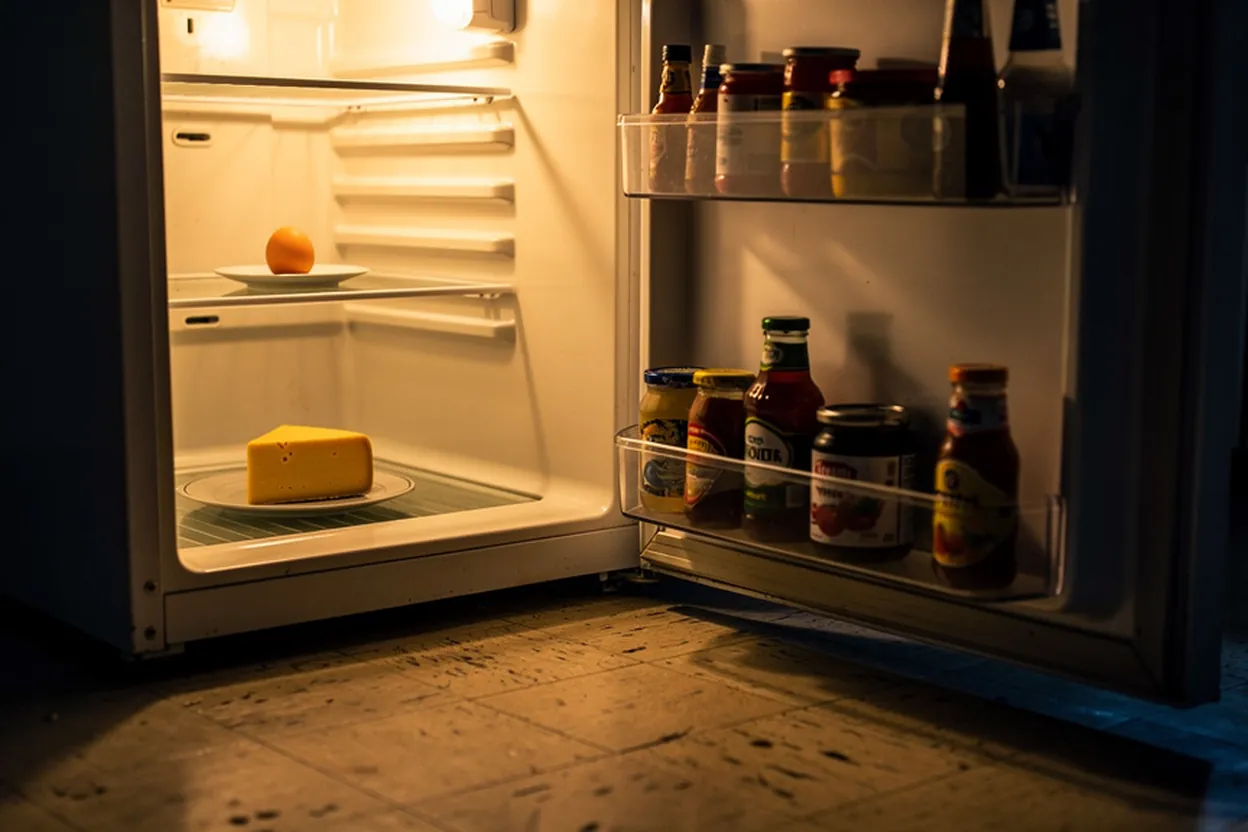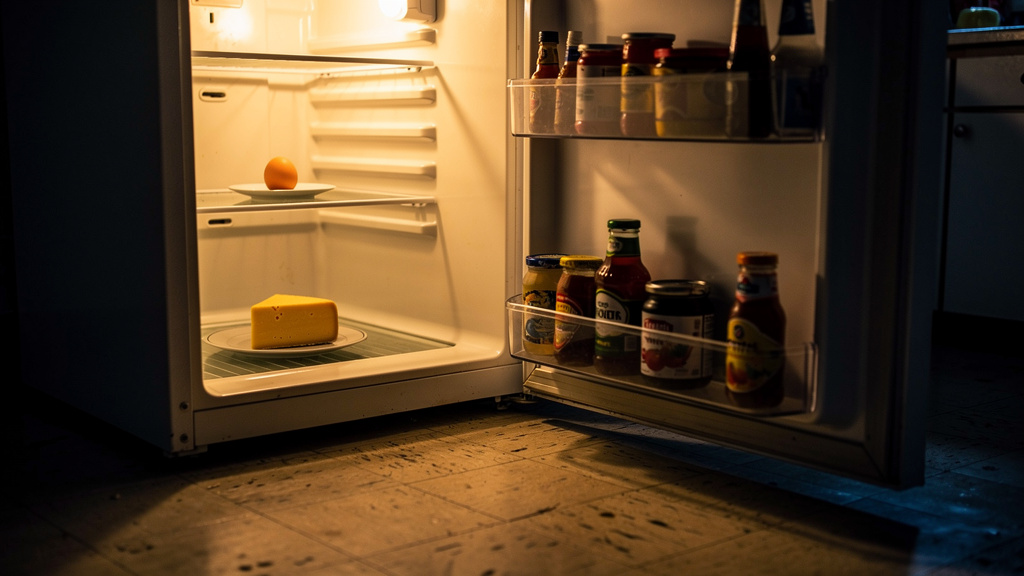
You open the fridge. There's half an onion, some eggs, a suspicious block of cheese, and a jar of mystery condiment you definitely bought for one specific recipe two years ago. The freezer has some frost and maybe a bag of edamame. And somehow — somehow — you still need to make dinner.
Sound familiar? You're not alone. According to a HelloFresh State of Home Cooking report, 93% of Americans plan to cook at home as much or more than they did last year. But planning to cook and actually having food to cook with? Two very different things. The good news: knowing what to cook with what you have is a real skill, and it's one you can pick up faster than you'd think.
The pantry staples that will actually save you
Here's the thing about "nothing in the house" — it's almost never literally nothing. What it usually means is nothing obvious. No pre-planned meal, no protein thawed, no clear path to dinner. But if you've got a halfway decent pantry, you've got more than you think.
The staples worth keeping on hand (because they'll bail you out again and again):
| pantry staple | what it becomes |
|---|---|
| Pasta or rice | Base for almost any meal |
| Canned beans or lentils | Protein, soup, or side dish |
| Eggs | Scramble, frittata, fried rice, tortilla |
| Canned tomatoes | Sauce, soup, shakshuka base |
| Olive oil + garlic | Flavor foundation for everything |
| Tortillas | Wraps, quesadillas, quick pizzas |
| Onions + potatoes | Spanish tortilla, hash, soup |
Treehugger's roundup of bare-pantry meals hits on this perfectly — risotto, fried rice, red lentil dal, and Spanish tortilla are all pantry-staple heroes. Every single one sounds like real food, not sad survival food.
An almost-empty fridge can make delivery feel like the only option. A closer look at the pantry often reveals the base of a workable dinner.
The "pick a base" method for dinner with no food
A reliable framework for low-inventory cooking is to stop asking what can I make? and ask what's my base? Everything else builds around that one anchor ingredient.
Grain-based meals
Rice and pasta are the two most reliable bases on the planet. Buttered noodles with parmesan is genuinely delicious — don't let anyone tell you otherwise. Fried rice is even better, because it actually requires day-old rice and whatever random vegetables or protein you've got kicking around. Good Cheap Eats makes a good point about rice bowls specifically: you can top them with any combination of meat scraps, beans, cheese, or veggies and it works.
Egg-based meals
Eggs are the most underrated "nothing in the house" ingredient. A Spanish tortilla — eggs, potatoes, onion, olive oil — is one of those dishes that feels way more impressive than the ingredient list suggests. Scrambled eggs with whatever cheese you've got, a breakfast burrito with a tortilla and some salsa, or baked eggs straight on the oven rack (yes, that's a real thing — 325°F for 30 minutes, no dish needed) are all legitimate dinner options. No judgment here.
Bread or tortilla-based meals
Don't overlook your bread situation. Love to Frugal points out that tortillas, English muffins, French bread, and even regular sliced bread can all become pizza bases. Spread on some tomato paste or seasoned ketchup, add whatever cheese you have, and you're eating pizza. Grilled cheese is also a completely valid dinner.
Ingredient substitution: how to think like a cook
Here's where things get interesting. Once you stop thinking in recipes and start thinking in functions, the substitution game becomes second nature.
Every ingredient in a recipe is doing a job. Fat adds richness. Acid brightens. Protein fills you up. Starch absorbs and binds. When you're missing something, ask: what else does that job?
- No cream? Use milk, coconut milk, or Greek yogurt stirred in at the end.
- No fresh garlic? Garlic powder works. So does the oil from a jar of sun-dried tomatoes.
- No pizza dough? Tortilla, pita, or naan.
- No soy sauce? Worcestershire sauce, miso thinned with water, or a hit of fish sauce.
- No fresh herbs? Dried herbs at one-third the quantity. Or skip them — the dish will still work.
The Bon Appétit staff swear by this kind of flexibility — one editor swaps maple syrup for brown sugar and rice vinegar for sake without blinking. Recipes are guidelines, not laws.
Pantry meal ideas that actually taste good
Real options — not "technically edible" options, but meals you'd actually want to eat.
Red lentil dal is a dependable option for bare-pantry nights. Lentils, canned tomatoes, onion, garlic, and a few spices (cumin, turmeric, coriander if you have them) turn into something warming and satisfying. It takes about 25 minutes and costs almost nothing.
Black bean soup is equally low-maintenance. A can or two of black beans, some broth (or water with a bouillon cube), garlic, cumin, and whatever hot sauce you've got. Blend half of it for texture. Done.
Pasta aglio e olio — pasta with garlic and olive oil — turns approximately four ingredients into a satisfying meal. Boil pasta, toast sliced garlic in olive oil until golden, toss together with pasta water, and add red pepper flakes and parmesan. That's it. That's the whole recipe.
Huevos rancheros is another winner: eggs, canned tomatoes (or salsa), tortillas, and beans if you have them. It works for breakfast, lunch, or dinner, which is exactly the kind of flexibility you want on a bare-pantry night.
How AI can turn your random ingredients into a real recipe
You've taken stock of what you have — a can of chickpeas, some wilting spinach, half a block of feta, and a lemon. What do you actually make with that?
This is where AI recipe tools have gotten impressive. Instead of Googling a specific recipe and then realizing you're missing three ingredients, you can describe what you have and get a recipe built around your actual fridge. It's the fridge-to-recipe concept, and it works.
The What's For Dinner tool at EasyAI does exactly this — you tell it what ingredients you have on hand, and it generates dinner ideas that actually fit. No more half-following a recipe and hoping for the best. If you're trying to decode a restaurant-style dish you loved and want to recreate at home, the Menu Decoder is worth bookmarking too.
The AI approach works especially well when you're dealing with a weird combination of leftovers — the kind of thing where a traditional recipe search returns nothing helpful. Cooked chicken, some rice, a jar of peanut butter, and lime juice? An AI tool will tell you that's basically the start of a peanut noodle bowl. A human staring into the fridge at 6pm might not make that leap.
Making it a habit: stocking your kitchen for "nothing" nights
The best time to solve the empty-fridge problem is before it happens. That is not revolutionary advice, but there is a practical version that does not require a full meal-planning overhaul.
The idea is keeping a small roster of rescue ingredients that can turn almost anything into dinner. Simple Frugal Life frames this well: knowing how to cook from pantry staples is something worth building deliberately, not leaving to chance.
A few things worth always having:
- Dried pasta and rice — they last forever and work with everything
- Canned tomatoes, beans, and coconut milk — instant sauce and protein
- Eggs — the most versatile protein in existence
- Garlic, onions, and potatoes — the holy trinity of "I can make something from this"
- A decent hot sauce or chili paste — because flavor is everything when ingredients are sparse
If you're cooking for a crowd or want to think through a more structured approach, the Buffet Guide at EasyAI can help you scale up pantry-friendly meals when you need to feed more than just yourself.
The bottom line
Staring into a near-empty fridge doesn't have to mean ordering takeout or eating cereal for dinner (though honestly, no shame if that's where the night goes). The real skill is learning to see what you have instead of what you're missing — and then knowing a handful of flexible, forgiving recipes that can absorb whatever combination of ingredients you're working with.
Pick a base. Work with your eggs. Don't underestimate pasta with olive oil and garlic. And when you genuinely can't see a path from your fridge to a meal, let an AI tool like the What's For Dinner generator do the creative work for you.
You've got more to work with than you think. Go look again.
Frequently asked questions
What can I make for dinner when I have almost no food?
Start with whatever base you have — pasta, rice, bread, or eggs — and build from there. A simple pasta with olive oil and garlic, fried rice with an egg, or a quesadilla with whatever cheese you have are all solid options that require almost nothing.
What are the best pantry staples to keep for emergency meals?
The most useful staples are dried pasta, rice, canned beans, canned tomatoes, eggs, garlic, onions, and olive oil. These ingredients combine in dozens of ways and have long shelf lives, making them ideal for low-inventory cooking.
How do I substitute ingredients when I'm missing something for a recipe?
Think about what job the missing ingredient is doing — adding fat, acid, protein, or flavor — and find something else that does the same job. Coconut milk works in place of cream, garlic powder substitutes for fresh garlic, and tortillas replace pizza dough in a pinch.
Can AI really help me figure out what to cook with random ingredients?
Yes, and it's practical in a way that recipe searches usually aren't. AI recipe tools like the What's For Dinner tool let you input what you actually have and generate real meal ideas around those specific ingredients — which beats searching for recipes and realizing you're missing half the list.
What's the easiest meal to make when you have nothing in the house?
Pasta with garlic and olive oil (aglio e olio) is hard to beat — it needs only pasta, olive oil, garlic, and salt. Scrambled eggs on toast and a simple rice bowl with canned beans are close runners-up. All three take under 20 minutes.
How do I make a meal feel more satisfying when I'm low on ingredients?
Focus on flavor over volume. A drizzle of good olive oil, a squeeze of lemon, fresh or dried herbs, hot sauce, or a handful of parmesan can transform a simple dish. Fat, acid, and salt are your best tools when the ingredient list is short.